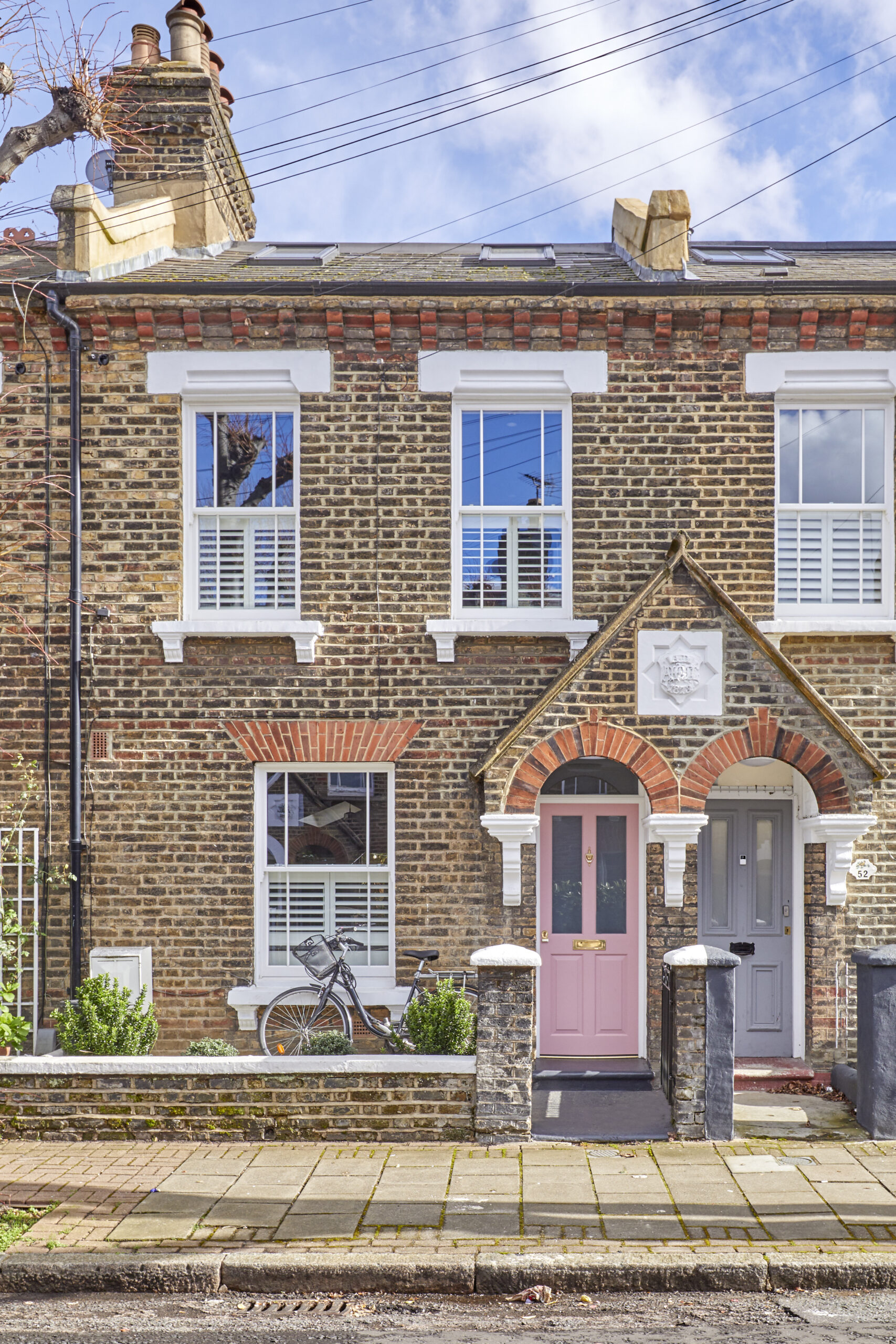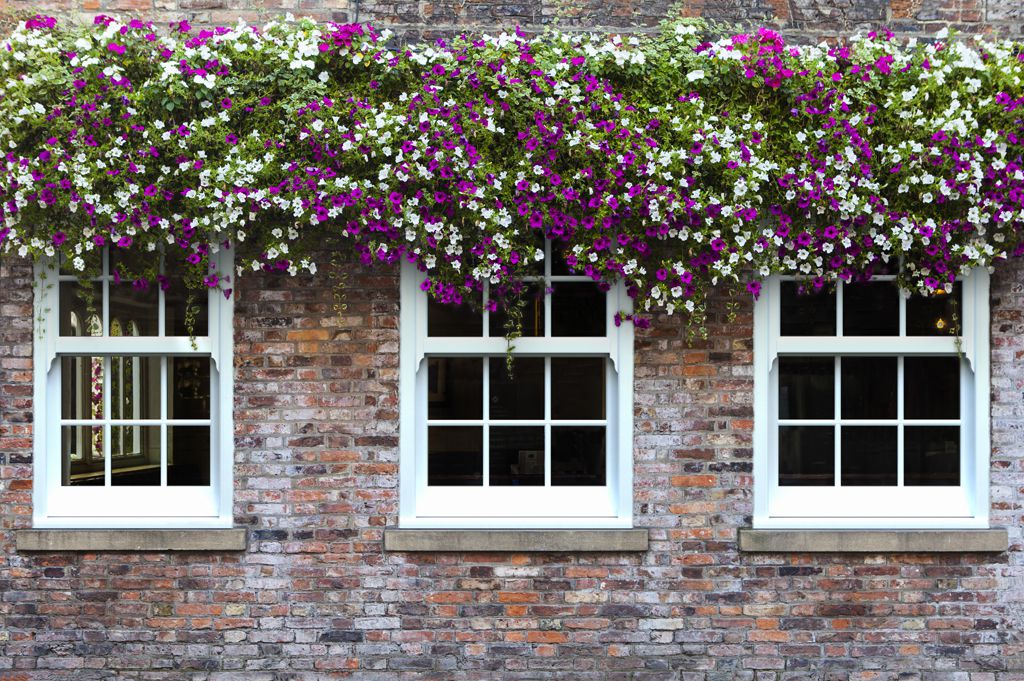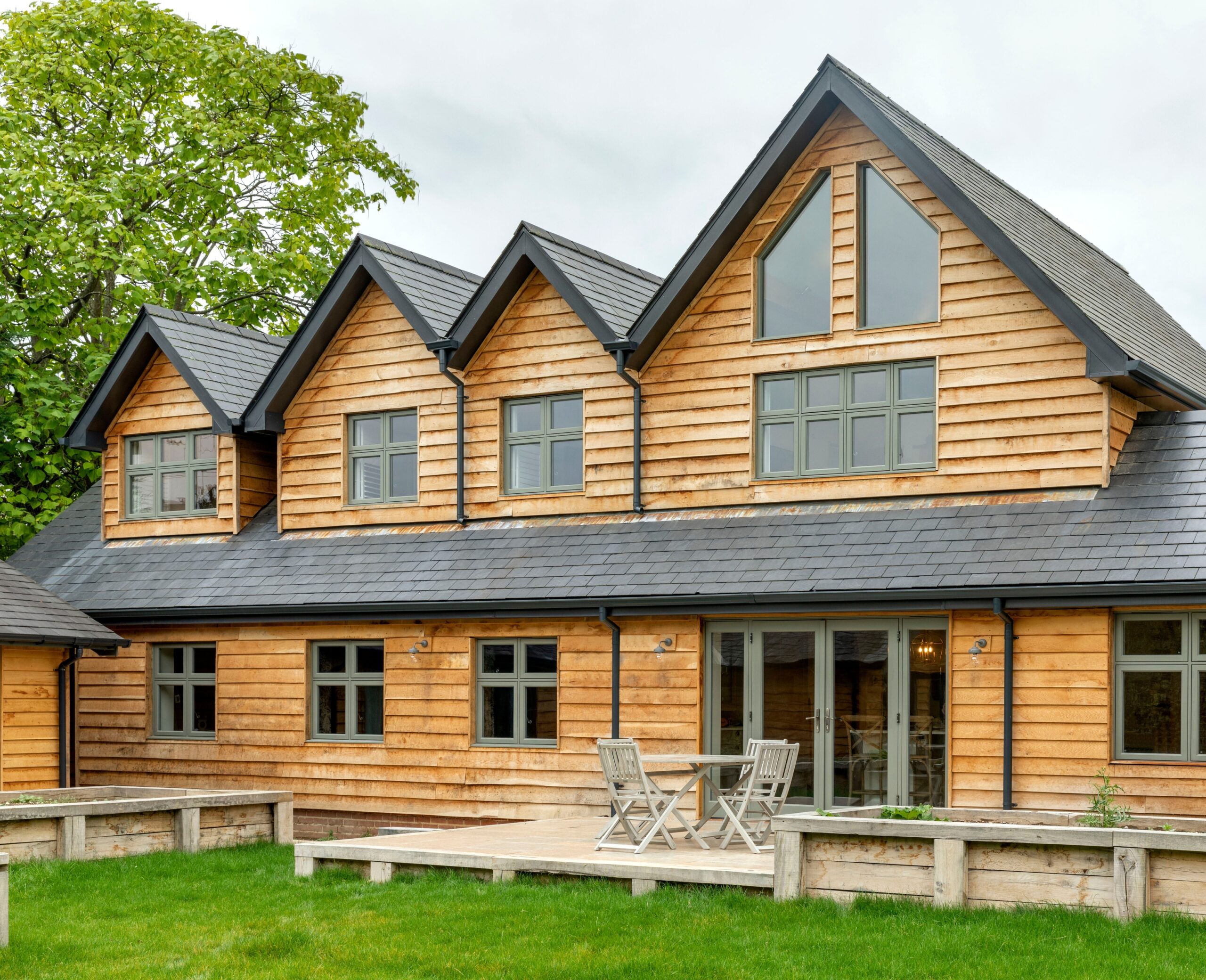


A front door needs to be secure, well-insulated, and built to last, and the material you choose determines all three. This guide compares composite and timber doors in plain terms, looking at how each material is built, how it performs, and what it’s like to live with over time.

How Modern Front Doors Are Meant to Work
Modern front doors rely on a few core elements that shape how they perform day to day.
- Composite doors use a solid timber core wrapped in durable external layers.
- Timber doors are built from engineered sections designed for stability.
Both rely on good weather sealing to limit draughts. Glazed panels can introduce light without weakening the door when they use laminated or double-glazed units. Threshold design, along with the hinges and locking system, shapes how secure the door feels and how well it operates over time.
Composite Front Doors
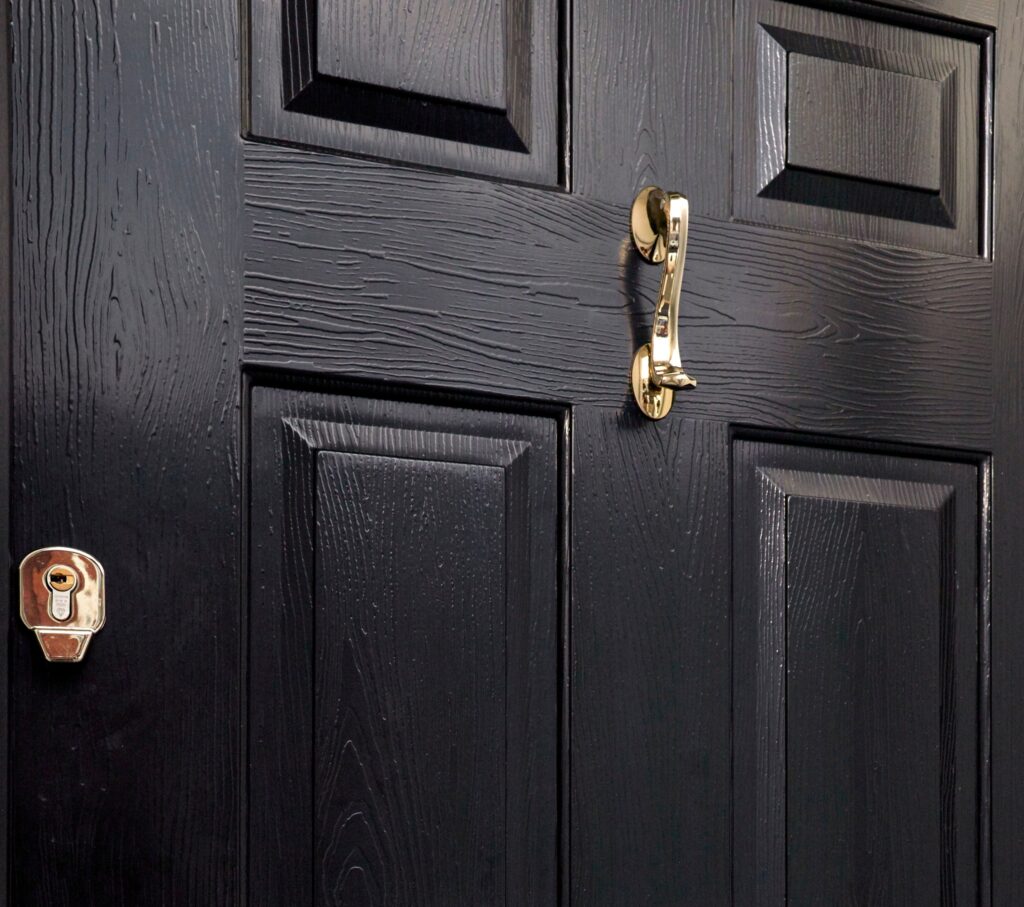
Construction
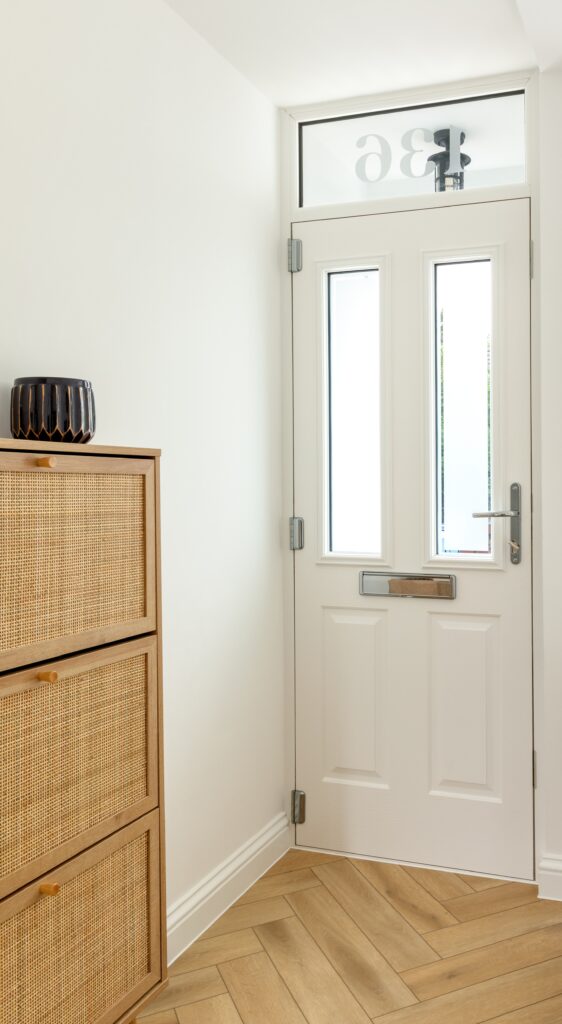
Composite front doors use a solid 48 mm timber core encased in durable external layers. This gives the door a firm, weighty feel and reduces movement in changing weather. With effective seals in place, composite doors manage draughts well and keep hallway temperatures more stable, which is helpful on exposed plots or busier streets.
Security
Security is a central strength. Our Solidor range includes:
- Multi-point claw locks
- Reinforced frames
- Ultion keys that cannot be copied
These systems provide strong resistance to forced entry without complicating everyday use.
Design and Finishes
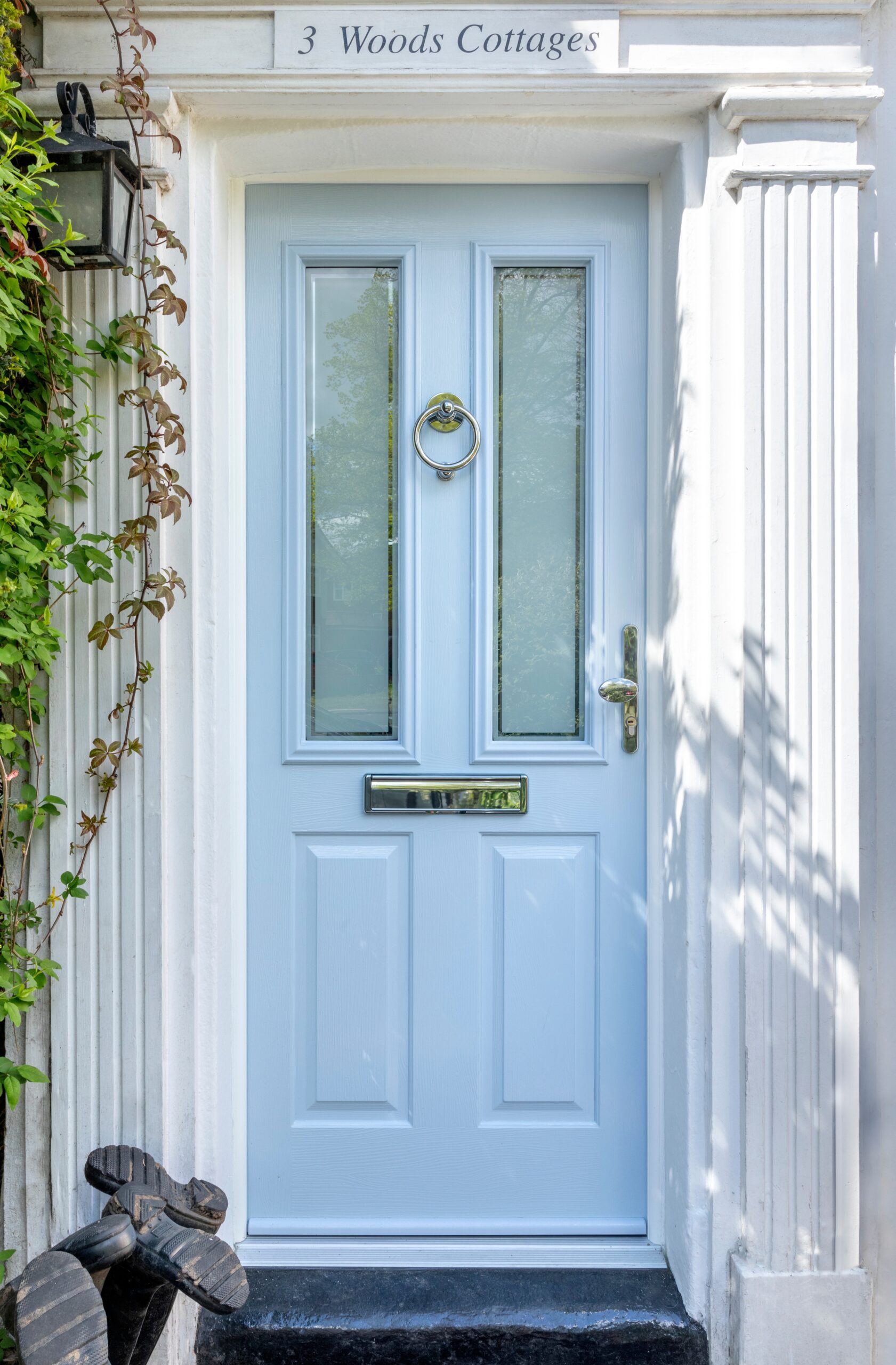
Composite doors offer one of the broadest colour selections available:
- Twenty-three door colours
- Eighteen frame combinations
- Options such as Rich Aubergine, Duck Egg Blue, and Chartwell Green
This range makes it easier to match a modern facade or introduce contrast to a neutral exterior.
Maintenance and Weathering
Upkeep is minimal. Composite skins do not require repainting, and the material tends to weather evenly, making it appealing to homeowners who want a low-maintenance entrance.
Where Composite Works Best
Composite doors suit newer homes, extended or modernised properties, and locations exposed to noise, traffic, or harsher weather. These doors are less appropriate for highly sensitive heritage facades that rely on traditional mouldings, proportions, and joinery – and in those settings, a timber door will provide a closer architectural match.
Timber Front Doors
Construction
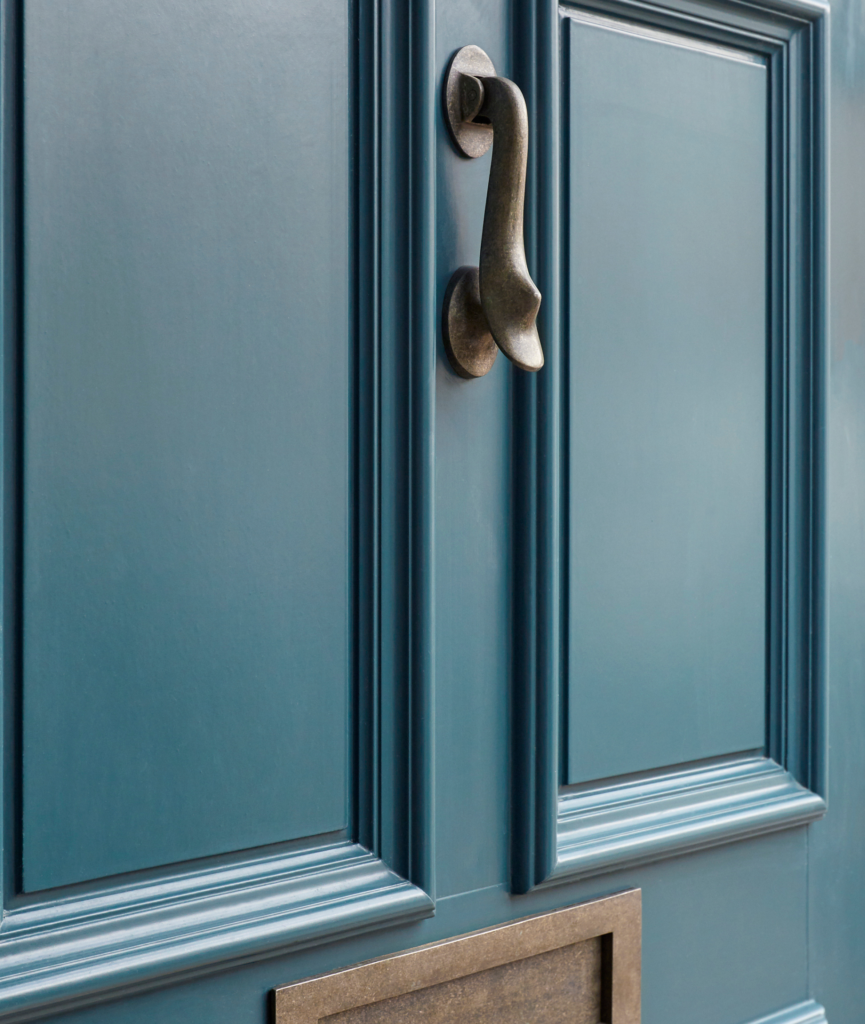
Timber entrance doors are built from engineered sections designed to stay stable over time. We specialise in two main materials:
- European Redwood – engineered with alternating grain for dimensional stability
- Red Grandis – a dense hardwood suited to premium stained finishes
Both are laminated and treated to limit movement, reduce swelling, and resist decay. Paired with laminated glass, the door gains extra strength and improved insulation.
Performance
Timber is a natural insulator. When combined with modern seals and quality hardware, it delivers steady thermal performance and a comfortable entrance space without compromising traditional appearance.
Design and Finishes
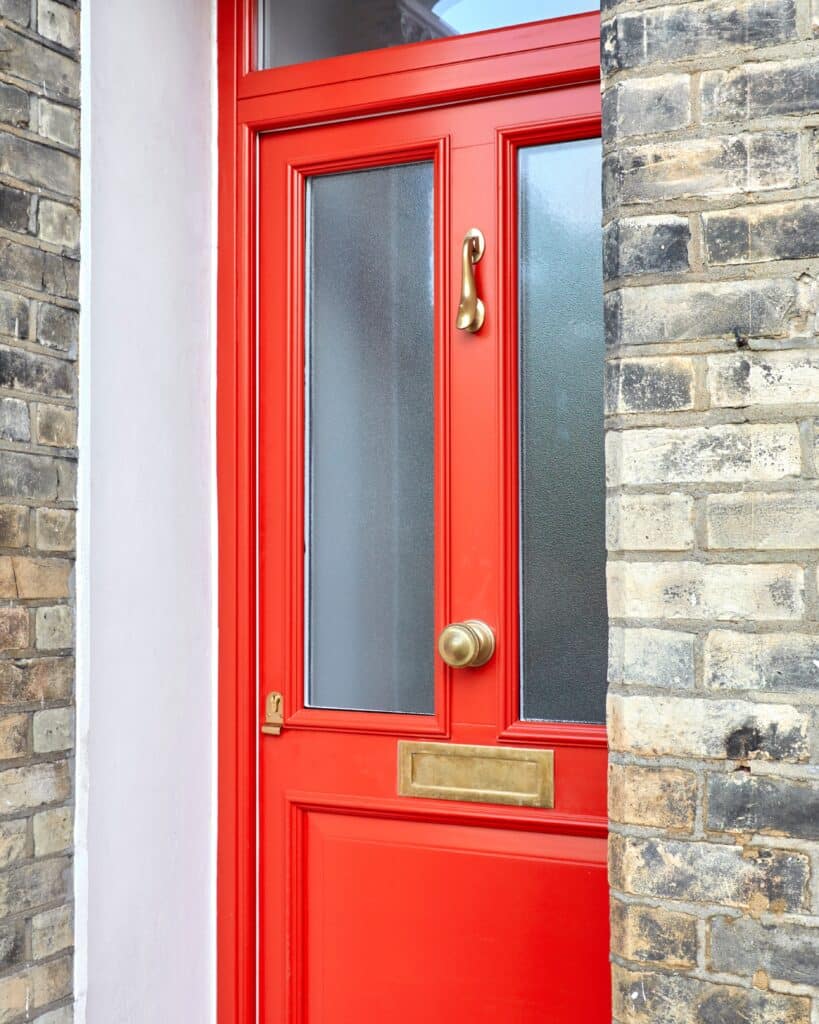
Timber offers the widest scope for design accuracy. Panel layouts, mouldings, and glazing patterns can be matched to period originals. Finishing options include:
- Anti-rot and fungal treatment
- Primers and two finishing coats
- Thousands of RAL colours
- A full range of stains for both Redwood and Red Grandis
This level of customisation allows a door to sit comfortably within Georgian, Victorian, or Edwardian facades.
Maintenance and Repairability
A timber door needs periodic upkeep, but it can also be repaired, refinished, or adjusted long after installation. This makes it a dependable long-term choice, particularly for owners who value longevity over minimal maintenance.
Where Timber Works Best
Timber is the right fit for listed buildings, conservation areas, and period homes where architectural accuracy is essential. It delivers proportions, profiles, and detailing that composite systems cannot replicate and satisfies planning requirements tied to historic character.
Choosing the Right Material for Your Home
The choice between composite and timber often comes down to the property itself. Composite works well where a stable, low-upkeep door is needed – busy roads, exposed sites, or homes that have already been modernised. Its construction offers predictable insulation and strong security without ongoing maintenance.
Timber makes more sense where architectural integrity matters. Period terraces, listed buildings, and conservation areas rely on accurate proportions and mouldings, and a timber door can be shaped to match what was originally there.
Local conditions also play a role. Noise levels, prevailing winds, and planning requirements can all influence the decision, and a door that suits one street may feel out of place in another. A material chosen with these factors in mind will give the best long-term result.
Warranties and Long-Term Ownership
Our available warranties reflect how each material behaves over time. Timber doors carry a 30-year guarantee against rot and decay, supported by a 10-year cover on paint finishes and glazing. This aligns with the way engineered timber ages: it can be maintained, refinished, and repaired rather than replaced.
Both timber and composite installations are backed by a 10-year workmanship guarantee and a 5-year hardware warranty, which ensures locks, hinges, and handles are covered for the period in which most wear occurs. Composite doors fall under the same installation and glazing guarantees, giving predictable long-term performance with minimal upkeep.
Together, these warranties outline the practical lifespan of each material and can help you to plan for decades of use rather than short-term fixes
Bringing It All Together
Choosing between composite and timber comes down to the demands of the property and how the door will be used over time. A material chosen with both context and longevity in mind will serve the entrance well. If you need more help deciding, our team is here to help.
FAQs
Are composite doors better insulated than timber?
Both materials perform well, but in different ways. Composite doors use a dense solid core and consistent weather seals, which give predictable insulation with very little movement through the seasons. Timber is a natural insulator and can outperform composite in some situations, especially when paired with laminated or double-glazed units. The better choice depends on the property’s exposure and how airtight the entrance needs to be.
Do timber doors expand and contract?
All timber responds to moisture and temperature, but engineered sections used by our workshop are designed to limit this movement. Laminated layers and controlled grain patterns improve stability, while modern finishing systems help the door cope with Britain’s varied climate. Routine care ensures the door continues to perform well.
How secure are timber and composite front doors?
Security depends on the locking system rather than the material alone. Composite doors often come with multi-point claw locks and reinforced frames as standard. Timber doors can achieve equivalent security when fitted with high-spec hardware. Both can meet modern security expectations when correctly installed.
Can a front door include glazed panels without losing heat?
Yes. Laminated or double-glazed units maintain insulation while introducing natural light. Laminated glass also adds strength, making glazed timber and composite doors suitable for properties where security and noise reduction matter.
What about PVCu front doors?
PVCu is a strong choice for windows, particularly sash and casement styles, because multi-chamber profiles provide good insulation with minimal maintenance. For front doors, however, PVCu can feel lighter and less substantial than a solid-core composite or engineered timber door. It also offers fewer design options for period facades.
This is why composite and timber remain the preferred materials for main entrances, while PVCu continues to be a practical option for window replacements.
How long does a front door last?
A well-maintained timber door can last for decades thanks to its repairability and the 30-year rot and decay warranty. Composite doors have a long service life too, supported by installation and glazing guarantees.
Longevity really depends on exposure, maintenance, and the design chosen, but both materials are intended for long-term use rather than short-term replacement.
Can composite and timber doors be customised for narrow or unusual openings?
Yes. Composite doors offer a wide colour and frame selection but fixed panel layouts. Timber doors allow for greater shaping and are well-suited to narrower porches, arched frames or asymmetrical openings.
Do these doors require planning permission?
Most front door replacements do not, but timber is often required in conservation areas or on listed buildings where original detailing must be retained. Our experienced team can support homeowners navigating these requirements, ensuring the design meets local expectations.