

Even the highest-quality windows have a lifespan. Over time, exposure to the elements, changing standards, and daily use can cause windows to lose their effectiveness, even if they appear fine at first glance.
From draughts and condensation to rising energy bills and persistent noise, your windows could be affecting the comfort, performance, and efficiency of your home more than you realise. This guide walks through eight common signs that it might be time to replace your windows. If in doubt, always speak to a professional.
8 Signs That It’s Time to Replace Your Windows

1. You Feel Cold Draughts Indoors
If your home still feels cold with the heating on, your windows could be letting in cold air. Over time, seals can fail, frames may shift, and draughts can creep in through gaps you can’t always see.
While draught-proofing can help in the short term, persistent cold spots and poor insulation often point to the need for replacement, particularly in older or single-glazed units.
2. Rotting, Crumbling or Warped Frames
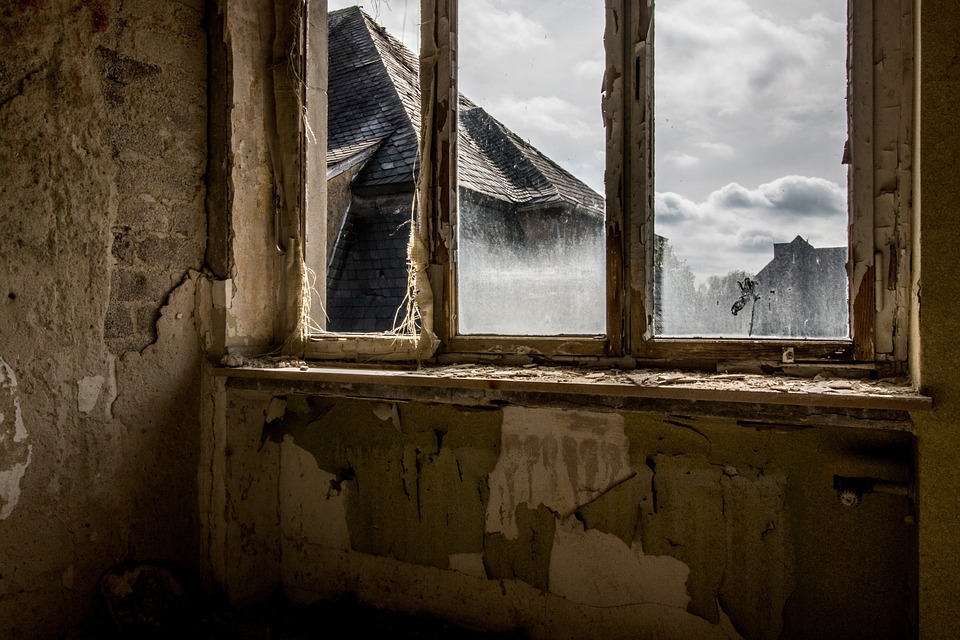
Timber windows are full of character, but once rot sets in, repairs can only go so far. Signs include soft patches, flaking paint, or wood that crumbles under pressure. In some cases, warping may cause windows to stick or become misaligned.
Once structural integrity is compromised, replacement is often the safest and most cost-effective option, especially with today’s treated hardwoods or low-maintenance alternatives.
3. Your Windows Stick, Jam, or Rattle
Windows should open and close easily. If you’re constantly struggling with stuck frames, rattling in the wind, or stiff locks and latches, it may be more than just age. Internal elements may be worn, or the frame may have shifted over time.
While minor issues can be adjusted, consistent problems with function are often a sign that it’s time to consider new windows.
4. Condensation or Cloudiness Between Panes
If you’re seeing fog or condensation between the layers of double glazing, it’s a sign that the seal has failed and the insulating gas has escaped. This reduces energy efficiency and allows moisture to build up inside the unit.
In some cases, individual panes can be replaced, but if multiple windows are affected, or frames are also deteriorating, full window replacement may be more effective.
5. Outside Noise Is Becoming a Nuisance
Can you clearly hear traffic, trains, or neighbours, even with your windows shut? This means your windows may no longer be providing effective acoustic protection. This is particularly common in older properties with single glazing or loose seals.
Modern windows with acoustic glass or vacuum-sealed double glazing can dramatically reduce noise, helping to create a quieter, more peaceful living environment, especially in busy London streets or urban areas.
6. Your Energy Bills Are Creeping Up
A sudden rise in heating costs may be due to inefficient, ageing windows. In fact, around 30% of a home’s heating energy is lost through windows, making it vital to ensure they’re in the best condition possible.
Upgrading to replacement windows with modern double or vacuum glazing can significantly improve thermal performance, reduce draughts, and lower energy usage, all while saving you money in the long run.
7. You’re Seeing Signs of Damp or Mould
Windows that no longer seal properly can allow cold air and moisture to seep in, creating the ideal environment for condensation and mould. This can damage not only the window frame but also the surrounding walls, curtains, and plasterwork.
If you’re constantly wiping down sills or spotting black mould around the frame, it may be time for an upgrade.
8. Your Windows No Longer Meet Modern Standards
Even if your windows are still functional, older units may not meet current expectations around thermal performance, ventilation, or security. They may also lack the appropriate safety glazing, secure locks, or trickle vents required in certain homes.
If parts are becoming difficult to source, or your windows are simply no longer fit for purpose, replacement could bring peace of mind and prepare your home for the future.
Should I Replace the Whole Window, or Just Parts?
In some cases, it’s possible to replace certain components, such as the glazing, seals, or handles, especially if the frame is still in good condition. However, where structural issues, rot, or widespread performance failures are present, full replacement is usually the better long-term solution.
If you’re looking for advice on whether a repair or replacement makes more sense for your timber sash or casement windows, reach out to our team at Sash Windows London.

Could Replacement Sash Windows Be Right for You?
If your current windows are no longer performing as they should, replacing them could make a real difference to your home’s comfort, appearance, and long-term value.
At Sash Windows London, we specialise in bespoke timber and uPVC sash and casement windows designed to bring modern performance to traditional homes. Whether you live in a period or listed property, or are seeking heritage details for a modern home, we can help you find the right solution. We’re a FENSA-registered installer, and all our work is backed by GGFI-backed guarantees, giving you complete peace of mind.
Time to Replace Your Windows with Heritage Sashes?
If your sash windows are showing signs of wear, discomfort, or inefficiency, it’s worth having them professionally assessed. Whether you need a full replacement or just new parts, expert advice can help you make the right decision.
Get in touch today to book your free sash window consultation and find out how we can help you restore performance, comfort, and timeless style in your home.

FAQs
Can I replace just the glass in my window?
Yes, if the frame is sound, glass units can sometimes be swapped. However, if seals are failing throughout your home, full replacement may be more effective.
How long does window replacement take?
Most windows can be replaced within 1–2 days each, depending on size, access, and the type of installation.
How much do replacement windows cost?
Costs depend on size, materials, glazing type, and installation complexity. We offer free, tailored quotes after an initial survey.
What type of windows are best for energy efficiency?
Double or triple-glazed units with low-emissivity (low-E) coatings and thermally broken frames offer excellent performance. At Sash Windows London, we can recommend the right option for your home’s age, location, and use.