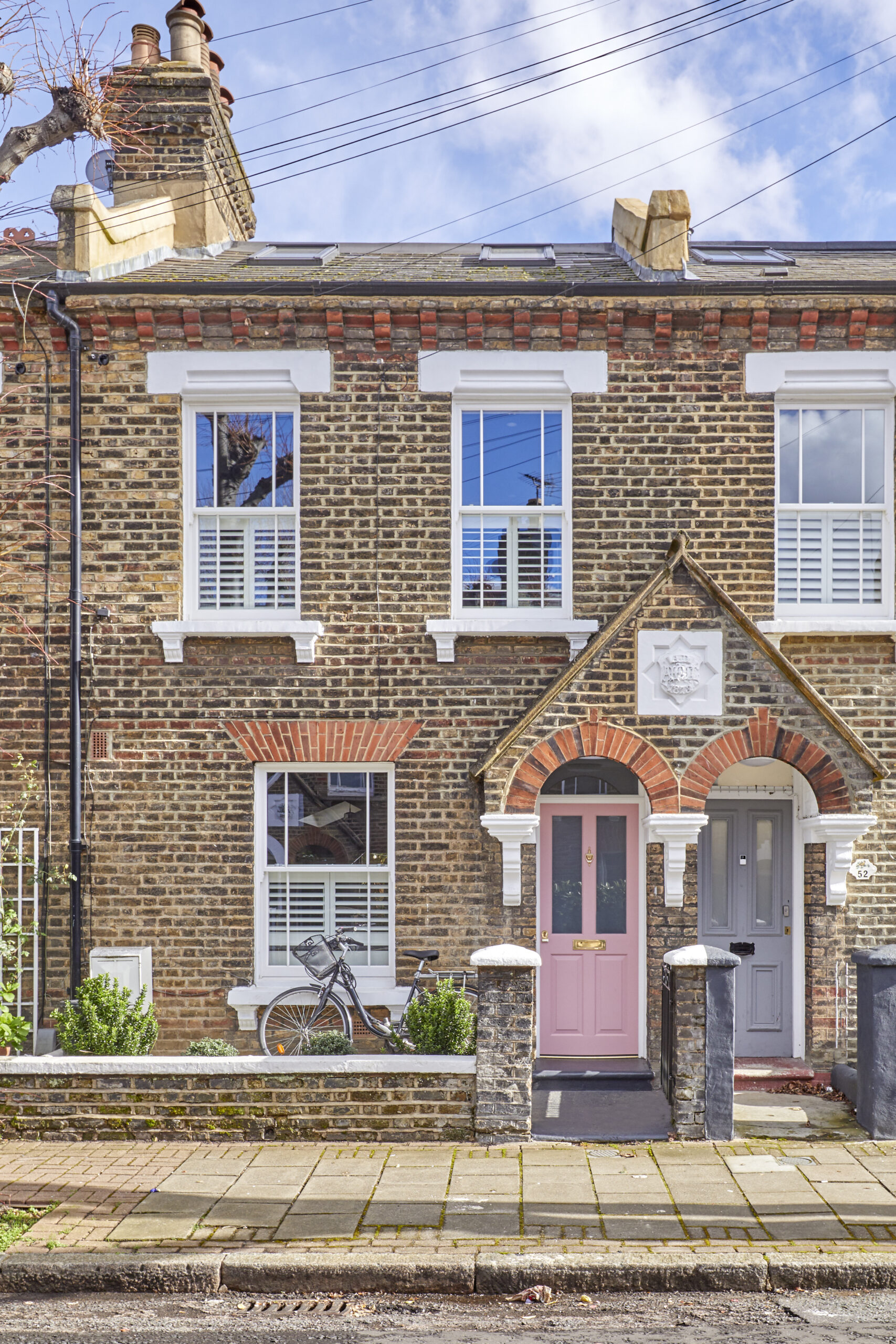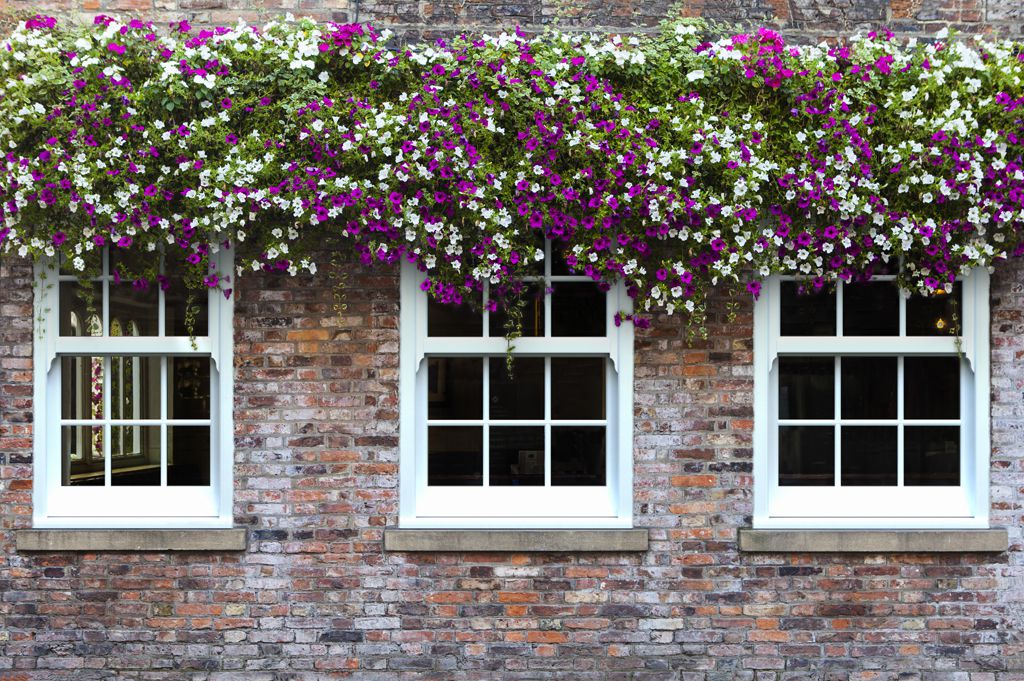


Sash windows are timeless, and have been a popular feature of English architecture for hundreds of years. Whether you live in a period property or a contemporary apartment, taking a few simple maintenance steps can keep yours looking spectacular and working efficiently. Given the proper care and attention, they can survive for many years to come.
Below, you’ll find our top ten tips for maintaining your sash windows, including both timber and uPVC, to help you keep that traditional feel to your home without losing out on efficiency.
Our Top 10 Tips for Sash Windows Maintenance

Here are 10 simple, DIY ways to keep your sash windows in the best condition. For in-depth maintenance and care, it’s always best to contact a professional.
1. Regularly Check for Draughts
A simple way to keep on top of sash window maintenance and catch potential problems ahead of time is to regularly check for draughts. Draughtiness is a common sign of ageing or poorly maintained sash windows, which can quickly lead to heat loss and higher energy bills.
To check, run your hand around the frame on a cool day to feel for air movement. If you notice cold spots, it may be time to reseal the gaps or fit discreet draught-proofing. Not only will this improve comfort, but it will also support your home’s overall energy efficiency. This is especially important in older or listed properties where modern insulation and glazing methods aren’t always permitted.
2. Keep Window Panes, Tracks, and Sashes Clean
Clean external window panes once or twice a year with glass cleaner and a microfibre cloth, or contact a professional window cleaner to do so for you.
Dust, dirt, and debris can also collect in the channels your sashes slide along, eventually causing stiffness or sticking. A gentle hoover and soft brush every few months will help keep the tracks clear.
Be sure to wipe down the meeting rails and interior frames too, as clean timber lasts longer and small issues are easier to spot when the area is free of build-up. For uPVC sash windows, a non-abrasive cleaner works best to keep the surface looking fresh and operating smoothly.
3. Lubricate Moving Parts
Sash windows rely on various moving mechanisms, such as pulleys, cords, and balances, to open and close easily. Over time, these can become dry or worn, leading to sticking sashes or unpleasant squeaking.
Apply a light lubricant to any visible pulleys and sliding parts, being careful not to overdo it. Avoid using thick oils, which can attract dirt and clog mechanisms. Well-lubricated hardware ensures effortless operation and prevents unnecessary strain on the sash frame.
4. Inspect Paintwork Yearly
Timber sash windows are protected by their paint or finish, which acts as a barrier against moisture and weathering. Check this coating at least once a year for signs of cracking, peeling, or flaking, particularly on exterior sills, which bear the brunt of the elements.
Minor issues can often be touched up, while more significant wear may need a professional repaint. Keeping on top of this will prevent water ingress and prolong the life of the wood.
5. Repaint and Reseal as Needed
When paint begins to deteriorate, it’s not just about appearances, as exposed timber is also vulnerable to rot and decay. Repainting every three to five years, or as needed based on wear, will help seal the wood and maintain its resistance to moisture.
To do this, use a breathable, high-quality paint designed for exterior timber. For uPVC sash windows, consider applying a specialist sealant to keep the frames watertight and well-finished. Regular resealing also helps with insulation, ensuring your windows stay draught-free and efficient.
6. Test Locks and Restrictors
Security is just as important as style. All sash windows should be fitted with quality locks, especially those at ground level, as well as restrictors if required. Periodically test these components to make sure they’re working properly.
If a lock is stiff or loose, it may need tightening or replacing. Child safety restrictors should also be checked to ensure they engage correctly. Reliable hardware not only provides peace of mind but also keeps your windows compliant with building and safety regulations, if required.
7. Check for Rot and Decay
Even well-made timber can eventually suffer from rot if exposed to persistent damp. Check areas most prone to water exposure, such as lower sills, outer frames, and joints. Use a blunt screwdriver to gently press the surface; soft or spongy timber may indicate underlying issues.
Catching the early signs of rot allows for straightforward repairs. Left untreated, it could lead to more extensive damage. High-quality timber from Sash Windows London is treated against rot and decay, but regular checks are still recommended.
8. Address Condensation Early
Condensation can signal poor ventilation or failing seals. Over time, trapped moisture can lead to mould, damp patches, or even timber degradation around your windows.
If you notice regular condensation inside the glazing or around the frame, increase ventilation in the room and consider upgrading to more advanced glazing options. We offer modern double glazing that reduces condensation while retaining the character of period homes.
9. Service Cord and Weight Systems
Traditional sash windows often use a system of cords, pulleys, and weights to counterbalance the sash. If your windows feel heavy to lift or drop suddenly when released, the system may be due for servicing.
Frayed cords or misaligned weights are common wear-and-tear issues that can affect both safety and function. If you’re comfortable with DIY sash window maintenance, these can sometimes be replaced yourself, but for listed or heritage homes, it’s often wise to call a specialist.
10. Book a Professional Check-Up
While many sash window tasks can be handled at home, periodic professional inspections are invaluable. An experienced specialist can spot hidden issues, from glazing faults to structural movement, and recommend appropriate repairs or upgrades.
At Sash Windows London, we offer free surveys and expert advice to help you protect your investment. Whether it’s timber restoration, draught-proofing, or reglazing, we take care of everything with minimal disruption to your home.
How Often Should You Carry Out Sash Window Maintenance?
A regular maintenance routine will help your sash windows remain in excellent condition for decades, preserving their beauty and performance.
| When? | What? |
| Every 3-4 months | Clean tracks and framesRemove dirt or debris to prevent sticking |
| Twice a year | Clean window panesLubricate pulleysCheck restrictors and locksInspect for draughts, condensation, or minor damage |
| Annually | Inspect paintwork, putty, and sealsAddress signs of wear before they escalate |
| Every 3–5 years | Repaint and reseal external timber surfaces |
| Every 8-10 years | Consider a professional sash window check-up |


Preserve the Charm of Your Sash Windows with Ease
Many homeowners worry that sash windows are high-maintenance. The truth is, when crafted properly and cared for regularly, they’re remarkably resilient and easy to live with.
At Sash Windows London, we design our sash windows to combine traditional elegance with modern performance. Whether timber or uPVC, each window is built to be durable, low-maintenance, and tailored to your home’s character. We use engineered Red Grandis for all timber products, which ensures superior performance to other materials, such as Accoya wood, and requires less upkeep.
Should you ever need support, our team is always on hand for aftercare and honest advice from the people who know these windows inside out.
Speak to London’s Sash Window Experts
Ready to discuss sash bay windows for your property?
Well-maintained sash windows look beautiful while helping your home to run more efficiently, feel more comfortable, and retain its unique character.
Whether you’re living in a Georgian townhouse, a Victorian semi, or a modern property with heritage features, regular maintenance is a simple yet valuable investment. And if your windows are starting to show signs of wear, or you’re unsure what they need, we’re here to help.
Contact our team today to ask about our expert maintenance advice or discuss the potential for replacement sash windows.